|
|
Nature
Switched On
|
|
|
introduction |
2007 June 9 & 10, Saturday and Sunday
|
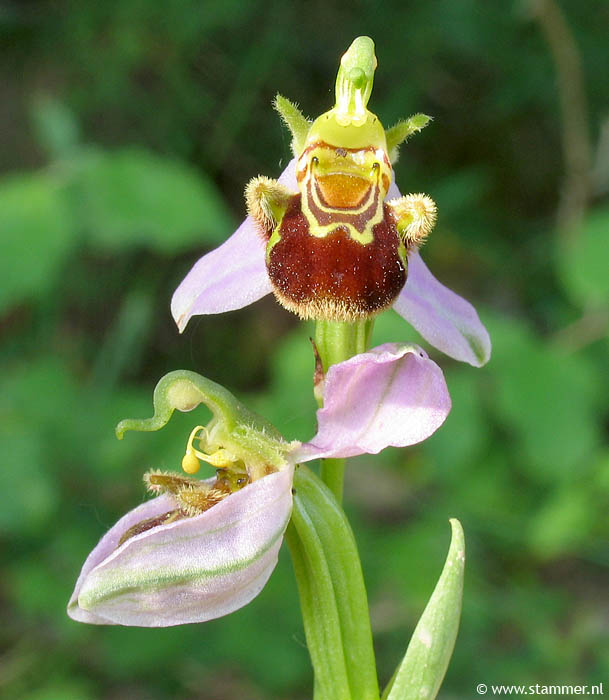
The Bee Orchid in the shadows of
the oak trees on the highest terrace. |
|
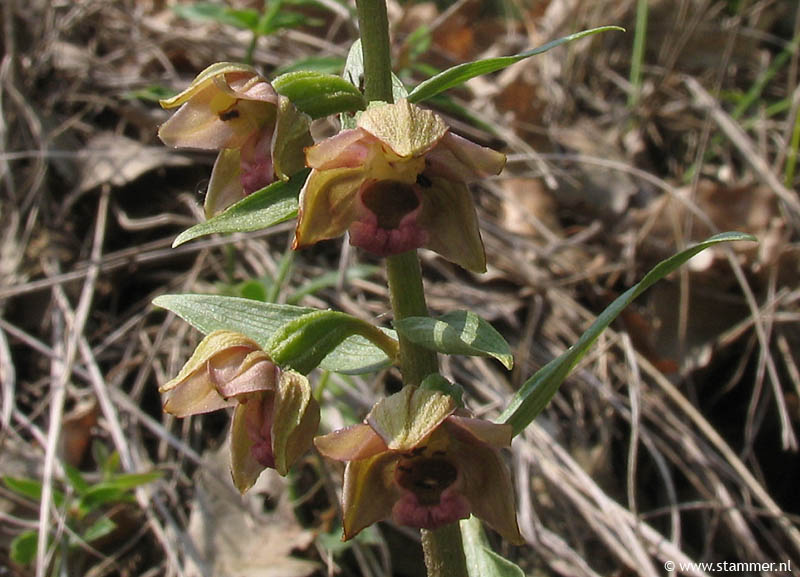
Broad-leaved Helleborine on the central terrace. Saturday 11:24 |
||
|
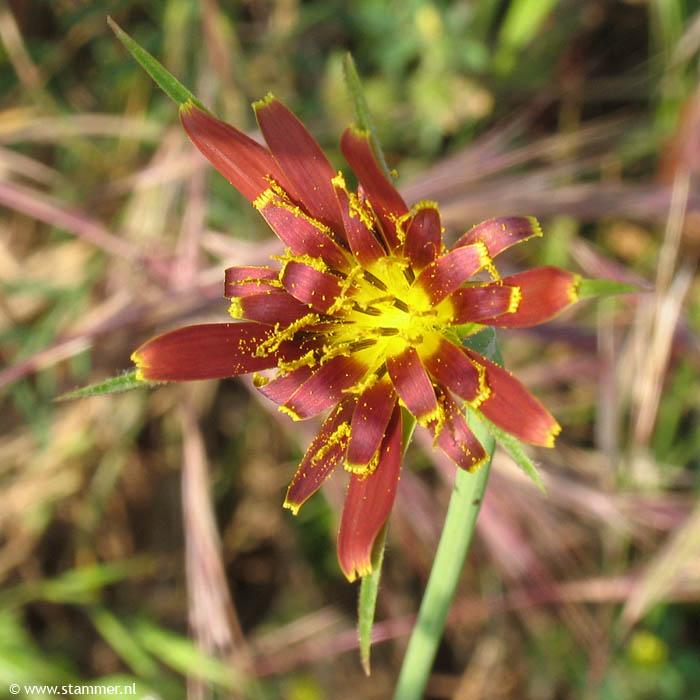
This flower was also somewhat soletary although in this case it is characteristic of the species: Tragopogon porrifolius. |
||
|
Tragopogon porrifolius on a sunny spot on the central
terrace. Sunday 9:16 |
||
|
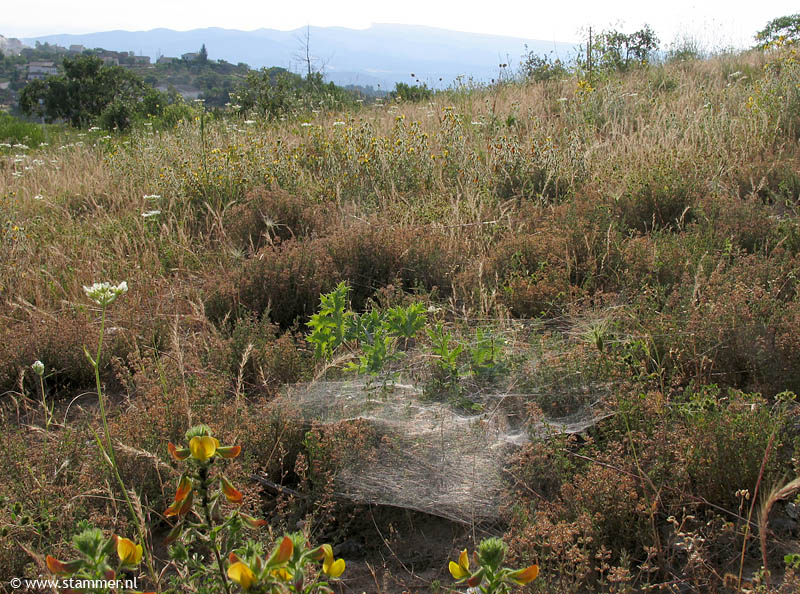
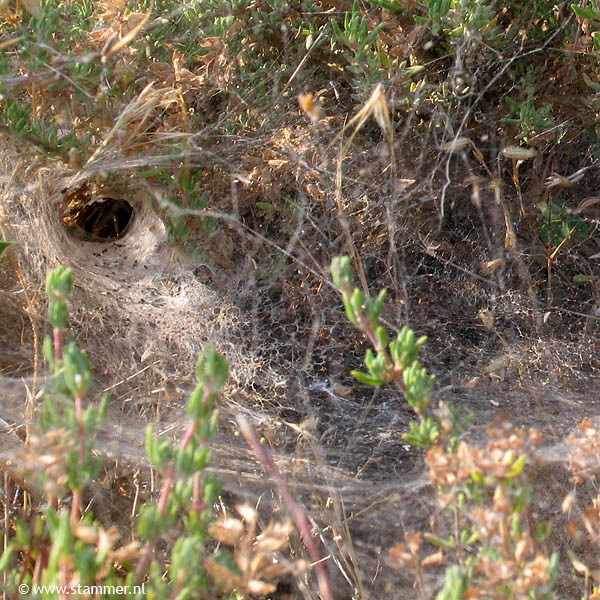
What captures the attention these day are numerous web funnels wove
|
||
|
Webs produced by the Funnel
Weaving Spider in some Thyme shrubs, on the higher central terrace, looking east. Sunday 8:46 |
||
|
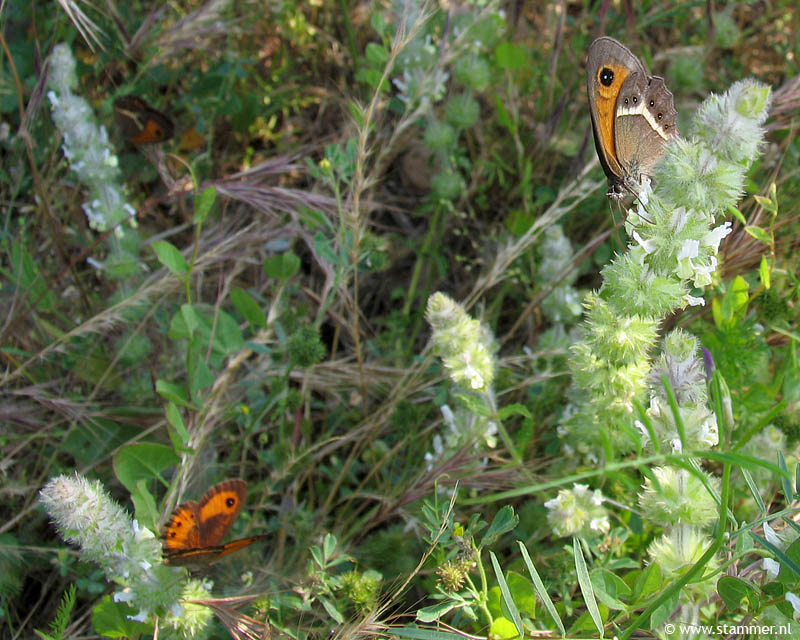
The butterflies are massively represented these days by a Coenonympha species. They have a clear preference for the nectar of Sideritis hirsuta, Scabiosa columbaria and brambles.
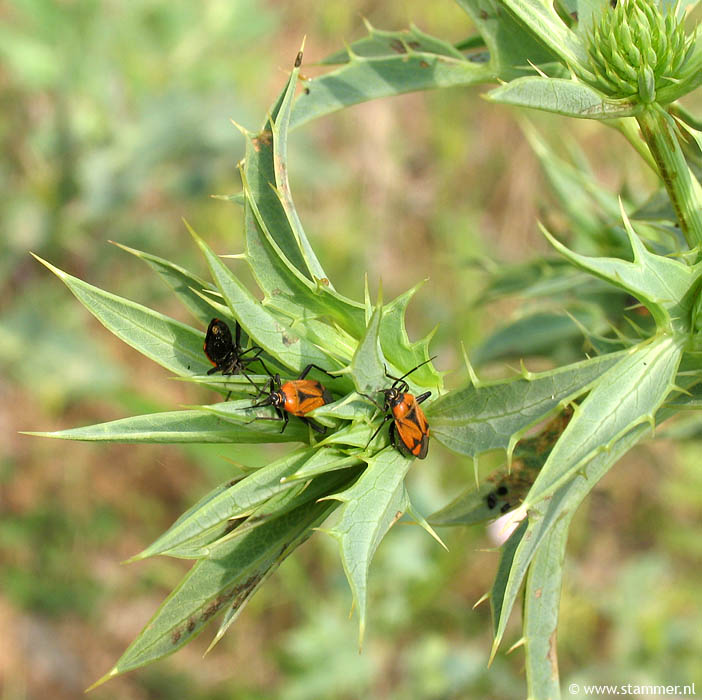
These beetles seek refuge among the menacing thorns of a Field Eryngo (Eryngium campestre) which is at the point of flowering.
|
||
|
Coenonympha butterflies on Sideritis hirsuta on the lowest
oriental terrace. Friday 18:26 |
||
|
Beetles on a Field Eryngo on the higher western terrace. Saturday 9:34 |
||
|
The nest of the Rock Sparrows (see
12 May 2007) had come to
an abrupt end. Some weekend ago we found the nest completely empty
without a trace of the eggs or youngs. Perhaps there had been a
major leap in their development and they had simply flown out but
more probably they had been the victims of a squirrel, fox or crow.
|
||
|
A Rock Sparrow on a bramble on
the lowest oriental terrace, looking north-east. Saturday 10:13 |
||
|
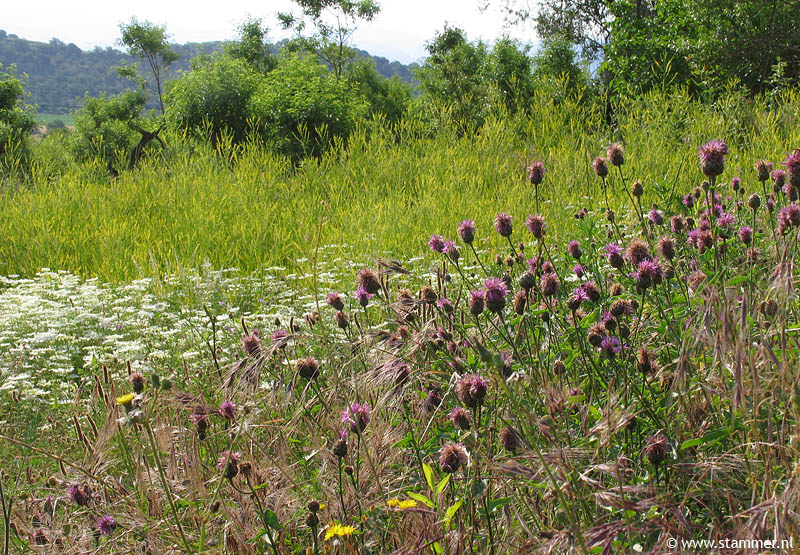
The aspect of the terrain is in some parts dominated by one or two species: Cut-leaf Self-heal (Prunella laciniata) is now massively flowering, especially on the highest terrace while one terrace lower the flowercover is a beautiful carpet of violet Greater Knapweed (Centaurea scabiosa), white Orlaya grandiflora and yellow Melilotus altissimus.
|
||
|
Cut-leaf Self-heal on the highest terrace, looking north-west. Friday 18:53 |
Centaurea scabiosa,
Orlaya grandiflora and Melilotus altissimus
on the middle terrace in the east, looking south-east. Sunday 9:09 |
|
|
introduction
|
|